



Are there any health risks associated with rubber backpack handles?
As a supplier of Backpack Handles Rubber, I've often been asked about the potential health risks associated with these handles. It's a valid concern, especially considering that backpacks are used daily by millions of people around the world, from students to professionals and travelers. In this blog post, I'll delve into the topic, exploring the materials used in rubber backpack handles, potential health risks, and how to ensure safe usage.
Understanding the Materials
Rubber backpack handles are typically made from natural or synthetic rubber. Natural rubber is derived from the latex of rubber trees, while synthetic rubber is manufactured through chemical processes. Both types have their own characteristics and are chosen based on factors such as cost, durability, and flexibility.
Natural rubber is known for its excellent elasticity and softness, making it comfortable to hold. It's also biodegradable, which is an environmental advantage. However, some people may be allergic to latex, a protein found in natural rubber. Latex allergies can range from mild skin irritation to severe anaphylactic reactions.

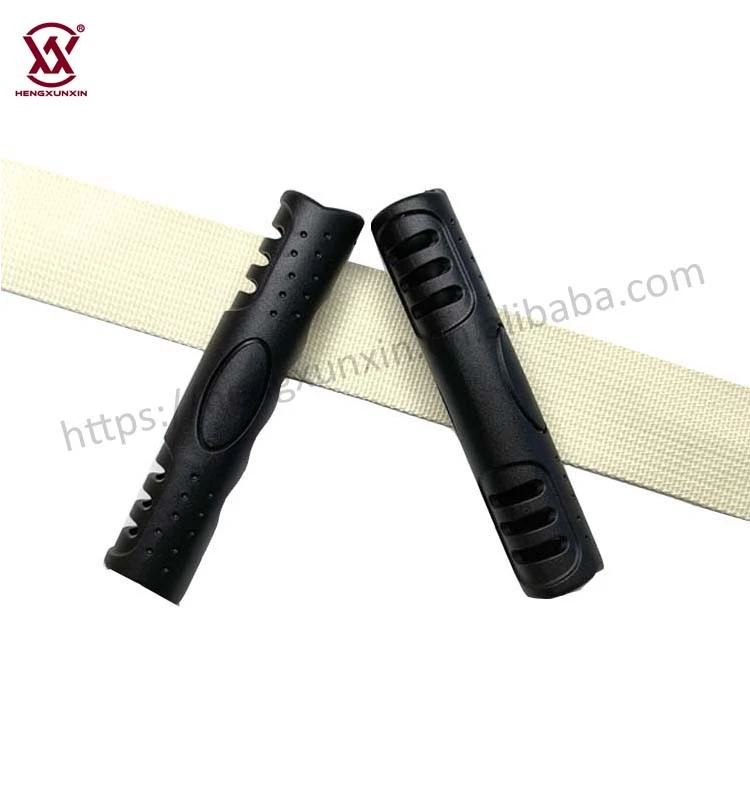
Synthetic rubber, on the other hand, is often more resistant to heat, chemicals, and abrasion. It's also less likely to cause allergic reactions compared to natural rubber. Common types of synthetic rubber used in backpack handles include neoprene, styrene-butadiene rubber (SBR), and nitrile rubber.
Potential Health Risks
Allergic Reactions
As mentioned earlier, latex allergies are a concern when it comes to natural rubber backpack handles. Symptoms of a latex allergy can include itching, redness, swelling, and hives on the skin. In more severe cases, it can lead to difficulty breathing, wheezing, and even anaphylaxis, a life - threatening allergic reaction. However, it's important to note that not all rubber backpack handles are made from natural latex. Many manufacturers use synthetic rubber to avoid these potential allergic reactions.
Chemical Exposure
During the manufacturing process of both natural and synthetic rubber, various chemicals are used. These can include vulcanizing agents, antioxidants, and plasticizers. While these chemicals are generally used in accordance with safety standards, there is a small risk of chemical exposure.
For example, some plasticizers, such as phthalates, have been linked to potential health issues. Phthalates are used to make rubber more flexible, but they can leach out over time, especially when the rubber is exposed to heat or friction. Long - term exposure to high levels of phthalates has been associated with hormonal disruptions, reproductive problems, and developmental issues in children.
Microbial Growth
Rubber backpack handles can provide a suitable environment for microbial growth, especially if they are frequently exposed to moisture. Bacteria, fungi, and mold can thrive on the surface of the rubber, which can pose a health risk, particularly for people with weakened immune systems. Microbial growth can also cause unpleasant odors and damage to the handle over time.
Ensuring Safe Usage
Choose the Right Material
If you or someone you know has a latex allergy, it's best to opt for backpack handles made from synthetic rubber. Look for products that are labeled as "latex - free" to ensure safety. Synthetic rubber handles are generally a safer choice in terms of allergic reactions and can still offer the same level of comfort and durability.
Check for Safety Certifications
Reputable manufacturers will often have their products tested and certified to meet safety standards. Look for certifications such as REACH (Registration, Evaluation, Authorization and Restriction of Chemicals) and RoHS (Restriction of Hazardous Substances). These certifications indicate that the product has been tested for the presence of harmful chemicals and meets the required safety levels.
Keep the Handles Clean
Regular cleaning of your backpack handles can help prevent microbial growth. Use a mild soap and water solution to clean the handles, and dry them thoroughly after washing. Avoid using harsh chemicals or abrasive cleaners, as these can damage the rubber.
Our Backpack Handles Rubber Products
At our company, we take the health and safety of our customers very seriously. Our Backpack Handles Rubber products are made from high - quality synthetic rubber, which significantly reduces the risk of allergic reactions. We also ensure that our manufacturing processes comply with strict safety standards, minimizing the use of potentially harmful chemicals.
In addition to our rubber handles, we also offer other types of backpack handles, such as Plastic Smart Webbing Handle and Top Carry Handle. These handles are designed to be durable, comfortable, and safe for everyday use.
Conclusion
While there are potential health risks associated with rubber backpack handles, these risks can be effectively managed through proper material selection, safety certifications, and regular cleaning. As a responsible supplier, we are committed to providing our customers with high - quality, safe products.
If you're in the market for backpack handles, whether it's rubber, plastic, or other materials, we invite you to explore our product range. We're always ready to assist you with your purchasing needs and answer any questions you may have. Feel free to reach out to us to start a discussion about your specific requirements.
References
- American Academy of Allergy, Asthma & Immunology. (2023). Latex Allergy.
- European Chemicals Agency. (2023). REACH Regulation.
- World Health Organization. (2023). Chemical Safety.