



Can plastic strap adjusters be used in low - temperature environments?
As a supplier of plastic strap adjusters, I often get asked about the performance of our products in various environmental conditions. One question that comes up frequently is whether plastic strap adjusters can be used in low - temperature environments. In this blog post, I'll explore this topic in detail, discussing the factors that affect the use of plastic strap adjusters in cold conditions and providing some insights based on our experience and industry knowledge.
Understanding Plastic Strap Adjusters
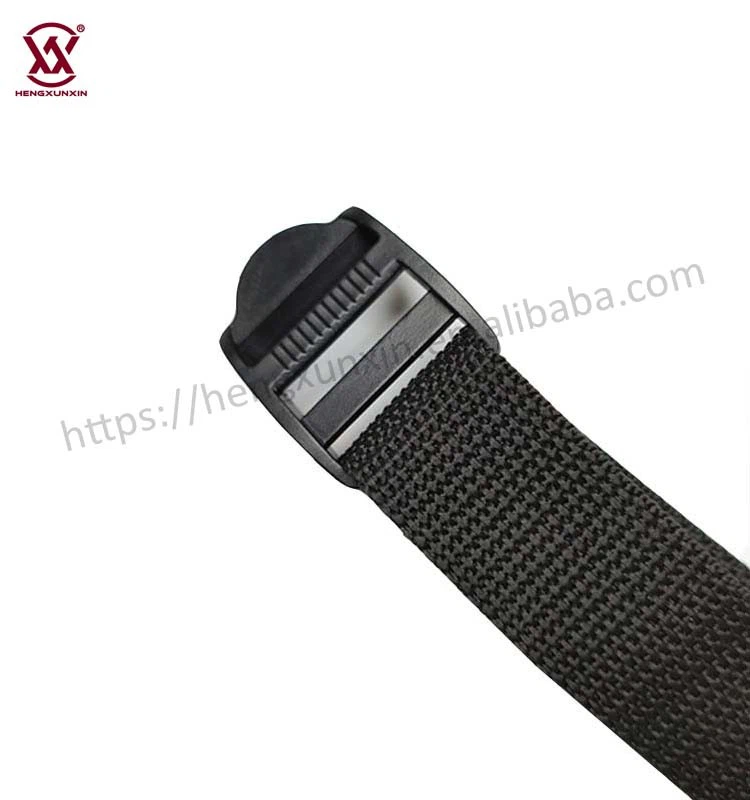
Plastic strap adjusters, such as 1 Inch Plastic Ladder Buckles, 1inch Plastic Ladder Buckles, and 25mm Plastic Ladder Buckles, are widely used in many industries for securing straps, ropes, and cords. They offer a convenient and adjustable way to fasten items together, and are popular due to their lightweight, cost - effective, and corrosion - resistant nature.
However, plastic is a material that can be affected by temperature changes. The performance of plastic strap adjusters in low - temperature environments depends on several factors, including the type of plastic used, the design of the adjuster, and the specific temperature range.
Factors Affecting Plastic Strap Adjusters in Low - Temperature Environments
Type of Plastic
Different types of plastics have different properties when it comes to temperature resistance. For example, polypropylene (PP) is a common plastic used in strap adjusters. It has good chemical resistance and is relatively lightweight. However, at low temperatures, polypropylene can become brittle. As the temperature drops, the molecular structure of polypropylene becomes more rigid, reducing its flexibility and impact resistance. This means that in extremely cold conditions, the adjuster may crack or break when subjected to stress, such as when tightening or loosening the strap.
On the other hand, some engineering plastics, like nylon, have better low - temperature performance. Nylon has a higher impact strength and better flexibility at lower temperatures compared to polypropylene. It can withstand more stress without cracking, making it a better choice for applications in cold environments.

Design of the Adjuster
The design of the plastic strap adjuster also plays a crucial role in its performance in low - temperature environments. An adjuster with a more robust design, such as thicker walls or reinforced areas, is more likely to withstand the stress caused by cold temperatures. For example, an adjuster with a wider base or additional support structures can distribute the stress more evenly, reducing the risk of cracking.
In addition, the way the adjuster interacts with the strap is important. A well - designed adjuster should allow for smooth adjustment of the strap even in cold conditions. If the adjuster has a complex mechanism that relies on small moving parts, these parts may become stiff or jammed at low temperatures, making it difficult to use the adjuster effectively.
Temperature Range
The specific low - temperature range also affects the performance of plastic strap adjusters. Generally, most plastic strap adjusters made from common plastics like polypropylene can operate normally in temperatures down to around 0°C (32°F). However, as the temperature drops further, say to - 20°C (- 4°F) or lower, the risk of failure increases significantly.
For applications in extremely cold environments, such as in the Arctic or Antarctic regions, where temperatures can reach well below - 40°C (- 40°F), special - purpose plastic strap adjusters made from cold - resistant plastics are required.
Testing and Evaluation
At our company, we conduct extensive testing on our plastic strap adjusters to evaluate their performance in low - temperature environments. We use climate chambers to simulate different temperature conditions and test the adjusters under various stress levels.
During the testing process, we measure the impact strength, flexibility, and adjustability of the adjusters at different temperatures. We also observe any signs of cracking, deformation, or jamming. Based on the test results, we can determine the minimum temperature at which our products can be used safely and effectively.
For example, our nylon - based plastic strap adjusters have been tested to perform well at temperatures as low as - 20°C (- 4°F). They maintain their flexibility and can be adjusted smoothly, even when subjected to moderate stress.
Applications in Low - Temperature Environments
Despite the challenges posed by low temperatures, plastic strap adjusters can still be used in many low - temperature applications. Here are some examples:
Outdoor Gear
In the outdoor sports industry, plastic strap adjusters are used in backpacks, tents, and other outdoor equipment. Even in cold weather conditions, these adjusters are needed to secure straps and adjust the fit of the gear. By choosing the right type of plastic strap adjuster, such as one made from nylon, outdoor enthusiasts can ensure that their equipment remains functional in cold environments.
Industrial Packaging
In industries that operate in cold storage facilities or cold climates, plastic strap adjusters are used for packaging and securing goods. For example, in the food industry, products are often stored and transported at low temperatures. Plastic strap adjusters can be used to secure pallets and packages, as long as they are suitable for the low - temperature environment.
Tips for Using Plastic Strap Adjusters in Low - Temperature Environments
If you need to use plastic strap adjusters in low - temperature environments, here are some tips to ensure their proper performance:
- Choose the Right Plastic: Opt for plastic strap adjusters made from cold - resistant plastics like nylon if you expect to use them in cold conditions.
- Inspect Regularly: Before using the adjusters, inspect them for any signs of damage or cracking. If you notice any issues, replace the adjuster immediately.
- Handle with Care: When adjusting the strap, do it slowly and gently to avoid putting too much stress on the adjuster, especially at low temperatures.
- Store Properly: Store the plastic strap adjusters in a warm place when not in use to prevent them from becoming too cold and brittle.
Conclusion
In conclusion, plastic strap adjusters can be used in low - temperature environments, but it is essential to consider the type of plastic, the design of the adjuster, and the specific temperature range. By choosing the right product and following the tips mentioned above, you can ensure that your plastic strap adjusters perform well and last longer in cold conditions.
If you are interested in purchasing plastic strap adjusters for low - temperature applications, we are here to help. Our team of experts can provide you with detailed information about our products and help you choose the most suitable adjusters for your needs. Contact us to start a procurement discussion and find the best plastic strap adjusters for your projects.
References
- Ashby, M. F., & Jones, D. R. H. (2005). Engineering Materials 1: An Introduction to Properties, Applications, and Design. Butterworth - Heinemann.
- Croll, S. G. (2001). Plastics Materials and Processes: A Concise Encyclopedia. CRC Press.