



As a supplier of plastic studs, I often receive inquiries from customers about whether plastic studs can be used outdoors. This is a crucial question, as the outdoor environment presents unique challenges that plastic studs must endure. In this blog post, I'll explore the viability of using plastic studs outdoors, taking into account various factors such as material properties, environmental conditions, and specific applications.
Material Properties of Plastic Studs
Plastic studs are made from a variety of polymers, each with its own set of characteristics. Some common plastics used in stud manufacturing include polypropylene (PP), polyethylene (PE), and acrylonitrile butadiene styrene (ABS).

Polypropylene is known for its excellent chemical resistance, low density, and good fatigue resistance. It can withstand a wide range of temperatures, from -20°C to 120°C, making it suitable for many outdoor applications. Polyethylene, on the other hand, is highly durable and resistant to moisture, making it ideal for wet or humid outdoor environments. ABS is a strong and rigid plastic with good impact resistance, which is beneficial in areas where the studs may be subjected to physical stress.
However, it's important to note that not all plastics are created equal. UV exposure, temperature fluctuations, and moisture can all degrade the performance of plastic studs over time. For example, some plastics may become brittle or discolored when exposed to sunlight for extended periods. Therefore, when considering using plastic studs outdoors, it's essential to choose a material that is specifically formulated to resist these environmental factors.
Environmental Conditions
The outdoor environment can be harsh on plastic studs. Sunlight, rain, wind, and temperature variations can all affect the performance and longevity of the studs.
UV Exposure
Ultraviolet (UV) radiation from the sun can cause plastic to break down over time. This process, known as photodegradation, can lead to discoloration, cracking, and loss of strength. To mitigate the effects of UV exposure, many plastic studs are treated with UV stabilizers during the manufacturing process. These stabilizers help to absorb or reflect UV radiation, protecting the plastic from damage.
Temperature Fluctuations
Outdoor temperatures can vary significantly throughout the day and across seasons. Extreme heat or cold can cause plastic to expand or contract, which may lead to loosening or deformation of the studs. When selecting plastic studs for outdoor use, it's important to choose a material with a suitable coefficient of thermal expansion. Additionally, proper installation techniques can help to minimize the impact of temperature fluctuations.
Moisture
Moisture is another factor that can affect the performance of plastic studs. Prolonged exposure to water can cause some plastics to swell or degrade. However, many plastics are inherently water-resistant, and some are even designed to be used in wet environments. For example, polyethylene is highly resistant to moisture, making it a good choice for outdoor applications where water exposure is likely.
Specific Applications
Plastic studs have a wide range of outdoor applications, including furniture, construction, and automotive.
Furniture
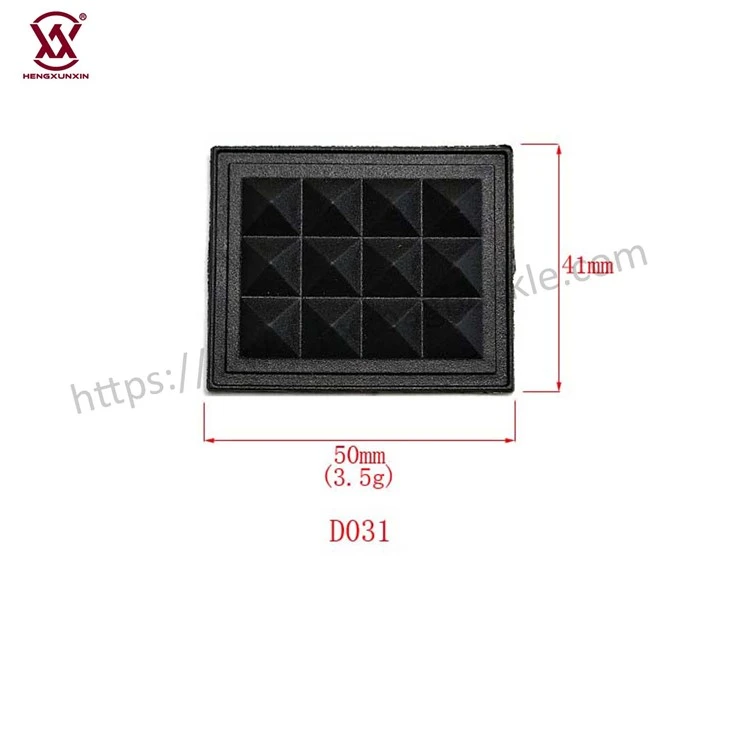
In the furniture industry, plastic studs are often used to provide support, stability, and protection. For example, Plastic Pad For Bag can be used to prevent scratches and damage to the bottom of bags. Similarly, 3*4 Plastic Bottom Feet Pad and Oval Plastic Feet Pad can be used to elevate furniture and protect floors from scratches. These pads are typically made from durable plastics that can withstand the weight of the furniture and the wear and tear of daily use.
Construction
In construction, plastic studs can be used for a variety of purposes, such as fastening, insulation, and waterproofing. For example, plastic studs can be used to attach siding or roofing materials to a building's exterior. They can also be used to create a barrier between different layers of a building's structure, preventing moisture and air infiltration. When used in construction, it's important to choose plastic studs that are strong, durable, and resistant to environmental factors.
Automotive
In the automotive industry, plastic studs are used in a variety of applications, including interior trim, exterior body panels, and engine components. For example, plastic studs can be used to attach door panels, dashboard components, and seat covers. They can also be used to secure wiring harnesses and other electrical components. When used in automotive applications, plastic studs must be able to withstand the vibrations, temperature fluctuations, and chemical exposure associated with vehicle operation.
Conclusion
In conclusion, plastic studs can be used outdoors, but it's important to choose the right material and ensure proper installation. By considering the material properties, environmental conditions, and specific applications, you can select plastic studs that will provide reliable performance and long-lasting durability.
If you're interested in purchasing plastic studs for your outdoor project, I encourage you to contact me to discuss your specific needs. I have a wide range of plastic studs available, including those designed for UV resistance, moisture resistance, and high strength. I can also provide guidance on installation and maintenance to ensure that your plastic studs perform at their best.
References
- "Plastic Materials and Their Properties" by John A. Brydson
- "Polymer Science and Technology" by Charles A. Daniels
- "Engineering Plastics: Properties and Applications" by Mel M. Schwartz