



Hey there! As a supplier of protecting corner strips, I often get asked a bunch of questions about where and how our products can be used. One question that pops up quite a bit is, "Can protecting corner strips be used on fiberglass corners?" Well, let's dive right into this topic and find out.
First off, let's talk a bit about what fiberglass corners are. Fiberglass is a composite material made up of fine glass fibers. It's known for being strong, lightweight, and resistant to corrosion. Fiberglass corners are commonly used in construction, especially in areas where you need a durable and long - lasting corner solution. They're used in things like building facades, interior walls, and even in some industrial settings.
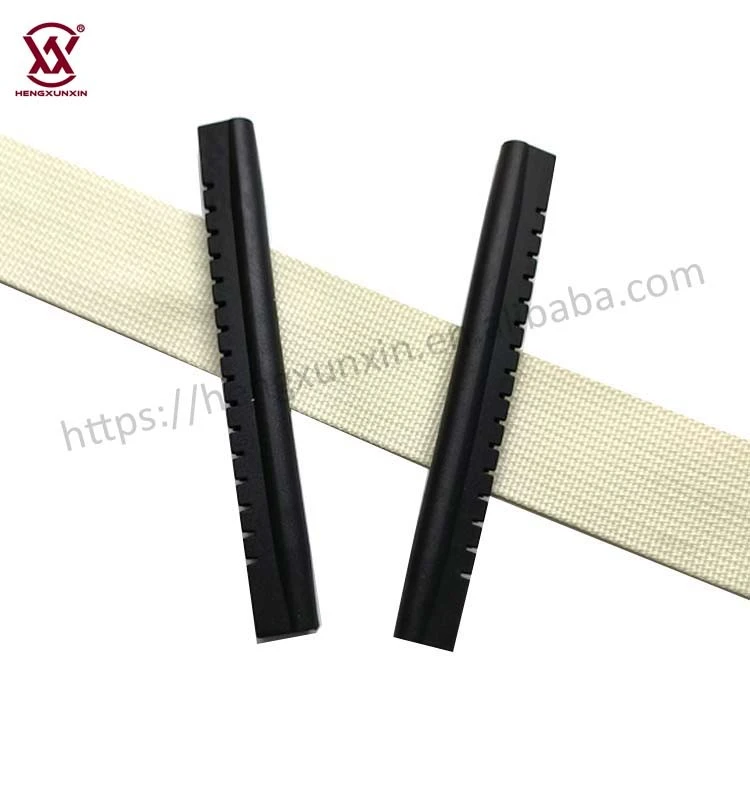
Now, let's look at protecting corner strips. We offer a wide range of these strips, like the Plastic Protect Corner Strip. These strips are designed to protect corners from damage. Whether it's from accidental bumps, scratches, or general wear and tear, our corner strips are up for the job. They come in different materials, sizes, and colors. For example, the Protecting Corner Strip White is a popular choice as it can blend in nicely with many different color schemes.
So, can we use these protecting corner strips on fiberglass corners? The short answer is yes, in most cases. But there are a few things to consider.
Compatibility
The first thing we need to think about is compatibility. Our protecting corner strips are made from various materials, such as plastic. Plastic is generally a good material to use with fiberglass because it doesn't react chemically with it. Unlike some metals that might cause corrosion or staining on fiberglass over time, plastic is inert. It won't damage the fiberglass surface, and it can provide a good layer of protection.
However, it's important to make sure that the adhesive used to attach the corner strip is also compatible with fiberglass. Some adhesives might not bond well with fiberglass, or they could leave a residue when removed. We always recommend doing a small test patch on an inconspicuous area of the fiberglass corner before applying the entire strip. This way, you can check if the adhesive works properly and doesn't cause any damage.
Installation
Installing protecting corner strips on fiberglass corners is relatively straightforward, but there are a few tips to keep in mind. First, make sure the fiberglass surface is clean and dry. Any dirt, dust, or moisture can prevent the adhesive from bonding properly. You can use a mild detergent and a soft cloth to clean the surface, and then let it dry completely.
When applying the corner strip, start from one end and slowly press it onto the corner, making sure to smooth out any air bubbles as you go. It's also a good idea to use a roller or a flat tool to apply even pressure along the length of the strip. This will help ensure a strong bond between the strip and the fiberglass.
Benefits of Using Protecting Corner Strips on Fiberglass Corners
There are several benefits to using our protecting corner strips on fiberglass corners.
Protection
The most obvious benefit is protection. Fiberglass corners, although strong, can still be damaged by impacts. A sharp object hitting a fiberglass corner can cause chips or cracks, which can compromise the integrity of the corner. Our corner strips act as a buffer, absorbing the impact and preventing damage to the fiberglass.
Aesthetics
Our corner strips come in different colors and styles, which can enhance the appearance of the fiberglass corners. For example, a white corner strip can give a clean and modern look, while a colored strip can add a pop of color to a plain fiberglass corner.
Longevity
By protecting the fiberglass corners from damage, our corner strips can extend the lifespan of the corners. This means less maintenance and replacement costs in the long run.
Limitations
While there are many benefits, there are also a few limitations to using protecting corner strips on fiberglass corners.
Temperature
Extreme temperatures can affect both the fiberglass and the corner strips. In very high temperatures, the plastic corner strip might soften or warp, and in very low temperatures, it could become brittle and crack. It's important to consider the environmental conditions where the fiberglass corners are located and choose a corner strip that can withstand those temperatures.

UV Exposure
If the fiberglass corners are exposed to direct sunlight for long periods, the UV rays can cause the corner strips to fade or degrade over time. Some of our corner strips are designed to be UV - resistant, but it's still something to keep in mind.
Conclusion
So, to sum it up, protecting corner strips can definitely be used on fiberglass corners. They offer protection, enhance aesthetics, and can extend the lifespan of the corners. However, it's important to consider compatibility, installation, temperature, and UV exposure.
If you're interested in using our protecting corner strips for your fiberglass corners or any other applications, we'd love to hear from you. Whether you have questions, need more information, or are ready to place an order, don't hesitate to reach out. We're here to help you find the best solution for your needs.
References
- General knowledge about fiberglass and plastic materials in construction.
- Product specifications of our protecting corner strips.