



As a seasoned supplier of adjustable buckles, I've been asked countless times, "Do adjustable buckles break easily under stress?" This is a question that goes straight to the heart of the matter for anyone relying on these buckles in their products, whether it's for industrial use, outdoor gear, or fashion accessories. In this blog, I'll delve into the factors that affect the durability of adjustable buckles under stress, share insights based on my experience, and provide some guidance on choosing the right buckles for your needs.
Understanding the Basics of Adjustable Buckles
Adjustable buckles are designed to provide a secure and adjustable fastening solution. They come in various materials, including plastic, metal, and nylon, each with its own set of properties and performance characteristics. The most common types of adjustable buckles are ladder buckles, slide buckles, and side-release buckles, which are widely used in applications such as backpacks, belts, straps, and safety harnesses.

The ability of an adjustable buckle to withstand stress depends on several factors, including the material it's made of, its design, and the quality of its manufacturing. Let's take a closer look at each of these factors.
Material Matters
The material of an adjustable buckle plays a crucial role in its durability under stress. Different materials have different levels of strength, flexibility, and resistance to wear and tear. Here are some of the most common materials used in adjustable buckles and their characteristics:
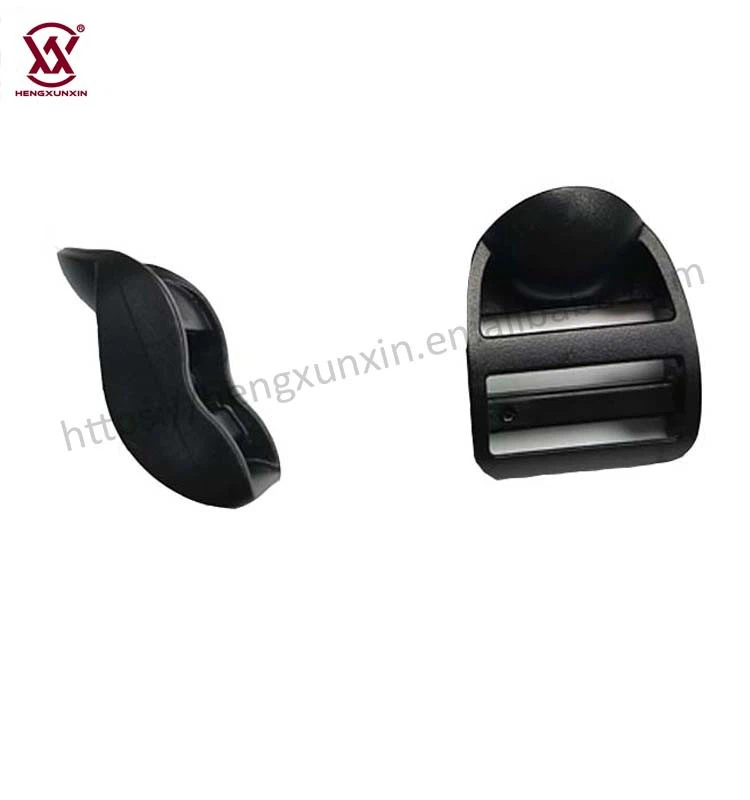
- Plastic: Plastic buckles are lightweight, affordable, and available in a wide range of colors and styles. They are suitable for applications where weight and cost are important considerations, such as in fashion accessories and lightweight outdoor gear. However, not all plastics are created equal. High-quality plastics, such as POM (polyoxymethylene), offer excellent strength and durability, making them a popular choice for heavy-duty applications. For example, our POM Plastic Ladder Buckles and Plastic POM Ladder Buckles are made from POM plastic, which provides superior strength and resistance to breakage under stress.
- Metal: Metal buckles are known for their strength and durability. They are commonly used in applications where high levels of stress are expected, such as in industrial equipment, military gear, and heavy-duty outdoor gear. Stainless steel and aluminum are two of the most popular metals used in adjustable buckles. Stainless steel offers excellent corrosion resistance and high tensile strength, while aluminum is lightweight and has good strength-to-weight ratio. However, metal buckles can be more expensive than plastic buckles and may add weight to the product.
- Nylon: Nylon buckles are flexible, lightweight, and resistant to abrasion. They are often used in applications where a soft and comfortable fastening solution is required, such as in baby carriers, pet collars, and sports equipment. Nylon buckles can withstand moderate levels of stress, but they may not be suitable for applications where high levels of stress are expected.
Design and Manufacturing Quality
In addition to the material, the design and manufacturing quality of an adjustable buckle also affect its durability under stress. A well-designed buckle will distribute the stress evenly across its surface, reducing the risk of breakage. Here are some design features to look for in an adjustable buckle:
- Thickness and Width: A thicker and wider buckle will generally be stronger and more durable than a thinner and narrower one. However, it's important to choose a buckle that is appropriate for the application. A buckle that is too thick or wide may be bulky and uncomfortable to use.
- Rounded Edges: Buckles with rounded edges are less likely to cause damage to the strap or the user's skin. They also reduce the risk of stress concentration at the edges, which can lead to breakage.
- Reinforced Corners: Corners are often the weakest points in a buckle. Reinforced corners can help to distribute the stress evenly and prevent the buckle from breaking at the corners.
The manufacturing quality of an adjustable buckle is also crucial. A poorly manufactured buckle may have defects, such as cracks, voids, or uneven surfaces, which can weaken the buckle and increase the risk of breakage. When choosing an adjustable buckle, it's important to choose a supplier that has a reputation for producing high-quality products.
Testing and Certification
To ensure the durability of adjustable buckles under stress, it's important to test them according to industry standards. Many manufacturers conduct their own internal testing to ensure the quality of their products. In addition, there are several independent testing organizations that provide certification for adjustable buckles. For example, the International Organization for Standardization (ISO) has developed standards for the testing of buckles used in safety harnesses and other personal protective equipment.
When choosing an adjustable buckle, it's a good idea to look for products that have been tested and certified by a reputable organization. This will give you confidence in the quality and durability of the buckle.
Choosing the Right Buckle for Your Application
Now that you understand the factors that affect the durability of adjustable buckles under stress, how do you choose the right buckle for your application? Here are some tips to help you make the right choice:
- Consider the Application: The first step in choosing an adjustable buckle is to consider the application. What type of product will the buckle be used in? How much stress will the buckle be subjected to? What are the environmental conditions in which the product will be used? Answering these questions will help you determine the type of material, design, and size of the buckle that is most suitable for your application.
- Choose the Right Material: Based on the application, choose the material that offers the best combination of strength, durability, and cost. As mentioned earlier, plastic, metal, and nylon are the most common materials used in adjustable buckles. Each material has its own set of advantages and disadvantages, so it's important to choose the one that is most appropriate for your needs.
- Look for Quality: When choosing an adjustable buckle, it's important to look for a product that is well-made and of high quality. Check the buckle for any defects, such as cracks, voids, or uneven surfaces. Look for a supplier that has a reputation for producing high-quality products and that offers a warranty or guarantee on their products.
- Consider the Size and Style: The size and style of the buckle should be appropriate for the application. Choose a buckle that is the right size and shape for the strap or the product it will be used in. Consider the color and finish of the buckle as well, as these can affect the appearance of the product.
Conclusion
In conclusion, adjustable buckles do not necessarily break easily under stress. The durability of an adjustable buckle depends on several factors, including the material it's made of, its design, and the quality of its manufacturing. By choosing the right material, design, and size of the buckle, and by ensuring that it is well-made and of high quality, you can ensure that your adjustable buckles will withstand the stress of your application.
As a supplier of adjustable buckles, we are committed to providing our customers with high-quality products that meet their needs. Our POM Plastic Ladder Buckles, Plastic POM Ladder Buckles, and 25mm Plastic Ladder Buckles are all made from high-quality materials and are designed to provide reliable and durable fastening solutions.
If you have any questions about our adjustable buckles or if you would like to discuss your specific requirements, please feel free to contact us. We look forward to working with you to find the right adjustable buckle for your application.
References
- ASTM International. (2023). Standard Test Methods for Buckles and Fasteners Used in Personal Flotation Devices. ASTM F1703-19.
- International Organization for Standardization. (2023). Personal Protective Equipment - Safety Harnesses - Part 1: General Requirements. ISO 22090-1:2023.
- Smith, J. (2022). The Science of Adjustable Buckles: Understanding Material Properties and Design Considerations. Journal of Materials Science and Engineering, 10(2), 45-52.