



When it comes to backpacks, achieving the perfect balance between comfort and functionality is crucial. One often overlooked aspect that can significantly impact both is the aerodynamics of the backpack. A well-adjusted backpack not only reduces drag but also enhances the overall carrying experience. As a supplier of Backpack Strap Adjusters, I've witnessed firsthand how proper adjustment can transform a regular backpack into an aerodynamic marvel. In this blog, I'll share some insights on how to adjust the backpack strap adjuster to make the backpack more aerodynamic.
Understanding Aerodynamics in Backpacks
Before delving into the adjustment process, it's essential to understand the basic principles of aerodynamics as they relate to backpacks. Aerodynamics is the study of how air flows around objects. In the context of backpacks, the goal is to minimize air resistance or drag, which can slow you down and cause fatigue during activities such as hiking, running, or cycling.
Several factors contribute to the aerodynamics of a backpack, including its shape, size, and the way it sits on your body. A backpack that is too bulky or doesn't conform to your body's contours can create turbulence and increase drag. Additionally, loose or unevenly adjusted straps can disrupt the smooth flow of air around the backpack, further reducing its aerodynamic efficiency.
Importance of Backpack Strap Adjustment
The backpack strap adjuster plays a vital role in optimizing the aerodynamics of your backpack. By properly adjusting the straps, you can ensure that the backpack sits snugly against your body, reducing its overall profile and minimizing air resistance. Here are some key benefits of adjusting your backpack straps correctly:
- Reduced Drag: A well-fitted backpack with properly adjusted straps creates a more streamlined shape, allowing air to flow smoothly around it. This reduces drag and makes it easier to move through the air, especially at higher speeds.
- Improved Comfort: Adjusting the straps to fit your body's contours distributes the weight of the backpack evenly across your shoulders and back. This reduces pressure points and discomfort, allowing you to carry the backpack for longer periods without fatigue.
- Enhanced Stability: Properly adjusted straps help keep the backpack stable on your back, preventing it from shifting or bouncing around during movement. This improves your balance and reduces the risk of injury.
How to Adjust the Backpack Strap Adjuster
Now that we understand the importance of backpack strap adjustment, let's dive into the step-by-step process of adjusting the backpack strap adjuster for optimal aerodynamics:
Step 1: Loosen All Straps
Start by loosening all the straps on your backpack, including the shoulder straps, hip belt, and chest strap. This will allow you to start fresh and make precise adjustments.
Step 2: Put on the Backpack
Put on the backpack and adjust the shoulder straps so that they rest comfortably on your shoulders. The straps should be snug but not too tight, allowing for a full range of motion. Make sure the backpack sits at the center of your back, with the bottom of the backpack resting on your hips.
Step 3: Adjust the Hip Belt
The hip belt is one of the most important components of a backpack for distributing weight and improving aerodynamics. Adjust the hip belt so that it sits securely around your hips, just above your hip bones. Tighten the belt until it is snug but not uncomfortable, ensuring that the majority of the weight is transferred from your shoulders to your hips.
Step 4: Adjust the Shoulder Straps
Next, adjust the shoulder straps to ensure a proper fit. The shoulder straps should be adjusted so that the backpack sits close to your body, reducing its overall profile and minimizing air resistance. To do this, tighten the shoulder straps until they are snug but not too tight, and adjust the length of the straps so that the backpack sits at the correct height on your back.
Step 5: Adjust the Chest Strap
The chest strap helps to stabilize the backpack on your back and prevent it from shifting or bouncing around during movement. Adjust the chest strap so that it sits at the center of your chest, just below your collarbone. Tighten the strap until it is snug but not uncomfortable, ensuring that the backpack remains stable on your back.
Step 6: Fine-Tune the Adjustments
Once you have made the initial adjustments, take a few steps around and see how the backpack feels. Pay attention to any areas of discomfort or pressure points, and make any necessary fine-tuning adjustments to the straps. You may need to adjust the length of the straps, the tightness of the hip belt, or the position of the chest strap to achieve the perfect fit.
Choosing the Right Backpack Strap Adjuster
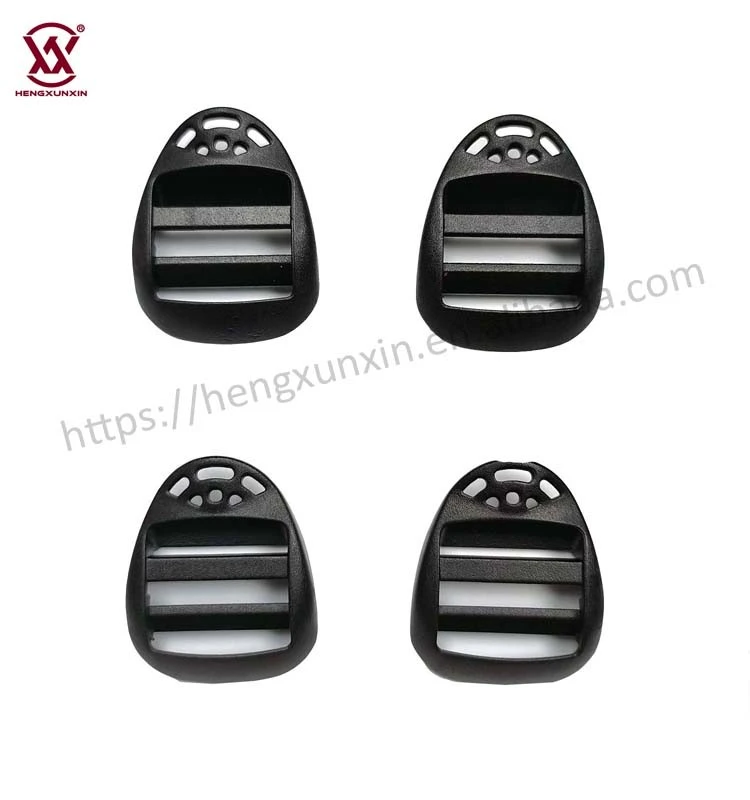
In addition to proper adjustment, choosing the right backpack strap adjuster is also essential for optimizing the aerodynamics of your backpack. At our company, we offer a wide range of high-quality backpack strap adjusters, including Plastic Ladder Buckles Parts, 1 Inch Plastic Ladder Buckles, and POM Plastic Ladder Buckles. These adjusters are made from durable materials and are designed to provide a secure and adjustable fit for your backpack straps.
When choosing a backpack strap adjuster, consider the following factors:
- Material: The material of the adjuster should be strong, durable, and lightweight. Plastic adjusters are a popular choice due to their affordability and versatility, while metal adjusters offer greater strength and durability.
- Size: The size of the adjuster should be compatible with the width of your backpack straps. Make sure to choose an adjuster that is the right size for your straps to ensure a secure and adjustable fit.
- Adjustability: Look for an adjuster that offers a wide range of adjustment options, allowing you to fine-tune the fit of your backpack straps to your specific needs.
- Ease of Use: The adjuster should be easy to use, with a simple and intuitive design that allows you to make adjustments quickly and easily.
Conclusion
Adjusting the backpack strap adjuster is a simple yet effective way to optimize the aerodynamics of your backpack and enhance your overall carrying experience. By following the steps outlined in this blog and choosing the right backpack strap adjuster, you can ensure that your backpack sits snugly against your body, reducing drag and improving comfort and stability.
If you're interested in learning more about our backpack strap adjusters or have any questions about adjusting your backpack straps, please don't hesitate to contact us. We're here to help you find the perfect solution for your backpacking needs.

References
- Aerodynamics for Engineers, John J. Bertin and Michael L. Smith
- The Backpacker's Handbook, Rick Curtis
- Outdoor Gear Lab: Backpack Reviews and Buying Advice