



How tight should I adjust the backpack strap adjuster?
As a supplier of backpack strap adjusters, I often get asked the question: "How tight should I adjust the backpack strap adjuster?" It's a crucial question because the right adjustment not only affects the comfort of wearing a backpack but also has an impact on our body health. In this blog, I'll share some scientific insights and practical tips to help you make the best adjustment.
The Importance of Proper Strap Adjustment
Before delving into how tight the straps should be, let's first understand why proper adjustment matters. When a backpack is worn with incorrectly adjusted straps, it can lead to a variety of problems. For instance, if the straps are too loose, the backpack will tend to sag, causing you to hunch forward. This posture places extra stress on your neck, shoulders, and lower back, increasing the risk of pain and long - term musculoskeletal issues. On the other hand, overly tight straps can restrict blood circulation, cause discomfort, and even lead to numbness in the shoulders and arms.
Properly adjusted straps, however, distribute the weight of the backpack evenly across your body. This allows your body to carry the load more efficiently, reducing fatigue and minimizing the risk of injury.
Factors Affecting Strap Tightness
There are several factors that can influence how tight you should adjust your backpack strap adjuster.
Backpack Load
The weight of the items in your backpack is a significant factor. A heavier load generally requires tighter straps to keep the backpack stable and prevent it from shifting. For example, if you're carrying a backpack filled with textbooks for school or heavy camping gear, you'll need to adjust the straps more tightly compared to when you're carrying just a few light items like a notebook and a water bottle.
Body Build
Your body build also plays a role. People with broader shoulders may need to adjust the straps differently from those with narrower shoulders. If you have broad shoulders, you might need to make the straps a bit looser to avoid excessive pressure on the shoulders. Conversely, those with narrow shoulders may need to tighten the straps slightly to keep the backpack from slipping off.

Activity Level
The type of activity you're engaged in while wearing the backpack matters. If you're walking at a leisurely pace, you may not need the straps as tight as when you're running or hiking on uneven terrain. During more strenuous activities, tighter straps help keep the backpack secure and prevent it from bouncing around, which can be both annoying and potentially dangerous.
How to Determine the Right Tightness
Now, let's get to the practical part of determining how tight to adjust the backpack strap adjuster.
Initial Fit
When you first put on the backpack, start by adjusting the straps so that the backpack sits snugly against your back. The top of the backpack should be no higher than the base of your neck, and the bottom should rest on your hips. The shoulder straps should be adjusted so that they are parallel to your body and not digging into your armpits.
Weight Distribution
Once the backpack is in place, pay attention to how the weight is distributed. You should feel the weight evenly spread across your shoulders and hips. If you feel most of the weight on your shoulders, the straps may be too loose or the backpack may not be positioned correctly. In this case, tighten the straps slightly and adjust the position of the backpack on your back.
Mobility Test
After making the initial adjustments, do a simple mobility test. Walk around, bend forward, and turn from side to side. The backpack should stay in place without shifting or pulling on your body. If it moves around too much, tighten the straps a bit more. However, if you feel restricted in your movement or experience pain, loosen the straps slightly.
Our Backpack Strap Adjusters
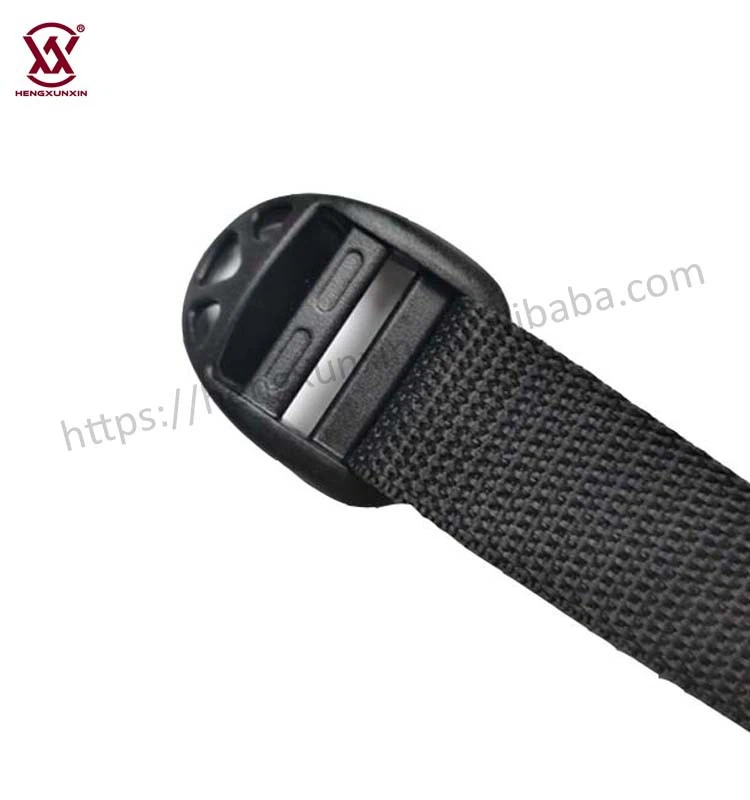
At our company, we offer a wide range of high - quality backpack strap adjusters to meet different needs. For example, our Curved Buckle is designed to provide a smooth and comfortable adjustment. Its curved shape conforms to the natural contour of the strap, making it easy to adjust and ensuring a secure fit.
Our 25mm POM Ladder Buckles are another popular choice. Made from high - quality POM material, they are durable and can withstand heavy use. The ladder design allows for precise adjustment of the strap length, giving you more control over the tightness of the straps.
If you're looking for versatility, our Adjustable Buckles are a great option. They can be easily adjusted to different strap lengths and are suitable for a variety of backpack styles.
Conclusion
In conclusion, finding the right tightness for your backpack strap adjuster is a balance between comfort, stability, and weight distribution. By considering factors such as backpack load, body build, and activity level, and following the steps to determine the right fit, you can ensure that you're wearing your backpack in the most efficient and comfortable way possible.
If you're in the market for high - quality backpack strap adjusters, we'd love to hear from you. Whether you're a backpack manufacturer looking for reliable components or an individual interested in upgrading your backpack, our products are designed to meet your needs. Contact us for more information and to start a procurement discussion.
References
- American Chiropractic Association. (2023). Proper Backpack Use to Prevent Back Pain.
- International Journal of Industrial Ergonomics. (2022). Effects of Backpack Strap Adjustment on Posture and Muscular Fatigue.