



As a supplier of plastic strap adjusters, ensuring the proper functioning of these products is not only crucial for customer satisfaction but also for maintaining our reputation in the market. Plastic strap adjusters are widely used in various industries, including fashion, outdoor equipment, and packaging. Their ability to secure and adjust straps efficiently makes them an essential component in many applications. In this blog, I will share some insights on how to ensure the proper functioning of plastic strap adjusters.
Understanding the Design and Material
The first step in ensuring the proper functioning of plastic strap adjusters is to understand their design and material. Different types of plastic strap adjusters, such as the Curved Buckle, Plastic Backpack Ladder Buckle, and Black Ladder Buckles Accessories, have unique designs that are tailored to specific uses.
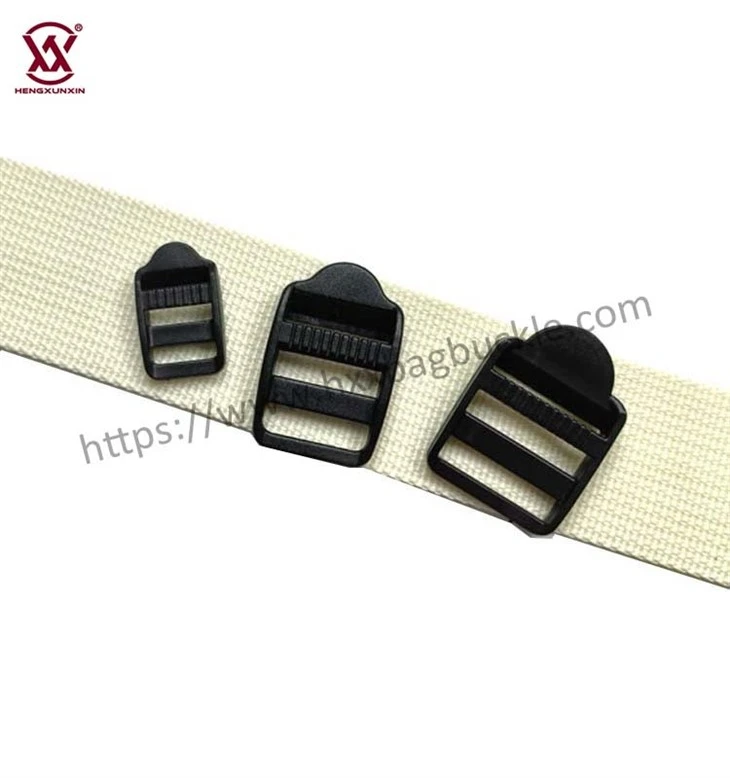
The design of a plastic strap adjuster determines how it interacts with the strap. For example, ladder buckles have a series of teeth that grip the strap, allowing for easy adjustment and secure fastening. The curvature of a curved buckle is designed to fit the contour of the body or the object it is being used on, providing a more comfortable and stable fit.
The material of the plastic strap adjuster is also important. High - quality plastics, such as polypropylene or nylon, are commonly used because they are durable, lightweight, and resistant to wear and tear. These materials can withstand the stress of repeated use and exposure to various environmental conditions. When selecting plastic strap adjusters, it is essential to choose products made from high - quality materials to ensure long - term proper functioning.
Proper Installation
Proper installation is key to the proper functioning of plastic strap adjusters. Incorrect installation can lead to a loose or unstable fit, which may cause the strap to come undone or the adjuster to malfunction.
Before installing the plastic strap adjuster, make sure the strap is clean and free of any debris. Cut the strap to the appropriate length, leaving enough extra length for adjustment. When inserting the strap into the adjuster, follow the manufacturer's instructions carefully. For ladder buckles, thread the strap through the appropriate slots, making sure the teeth grip the strap firmly.
It is also important to ensure that the adjuster is installed in the correct orientation. Some adjusters are designed to work in a specific direction, and installing them backwards can prevent them from functioning properly. If you are unsure about the installation process, refer to the product manual or contact our customer service team for assistance.
Regular Inspection
Regular inspection of plastic strap adjusters is necessary to detect any signs of wear or damage. Over time, the plastic may become brittle, the teeth on ladder buckles may wear down, or the adjuster may crack.
Inspect the adjusters for any visible cracks, breaks, or signs of deformation. Check the teeth on ladder buckles to ensure they are sharp and intact. If you notice any damage, replace the adjuster immediately to prevent further problems.
In addition to visual inspection, test the functionality of the adjuster by adjusting the strap. Make sure it moves smoothly and locks securely in place. If the adjuster is difficult to move or does not lock properly, it may be a sign of a problem.
Maintenance
Proper maintenance can significantly extend the lifespan of plastic strap adjusters and ensure their continued proper functioning. Cleaning the adjusters regularly can prevent the buildup of dirt and debris, which can interfere with their operation.
Use a mild soap and water solution to clean the plastic strap adjusters. Gently scrub the adjuster with a soft brush to remove any dirt or grime. Rinse the adjuster thoroughly and allow it to dry completely before using it again.
Avoid exposing plastic strap adjusters to extreme temperatures, as this can cause the plastic to expand or contract, leading to damage. Also, keep the adjusters away from sharp objects that could scratch or cut the plastic.
Compatibility with Straps
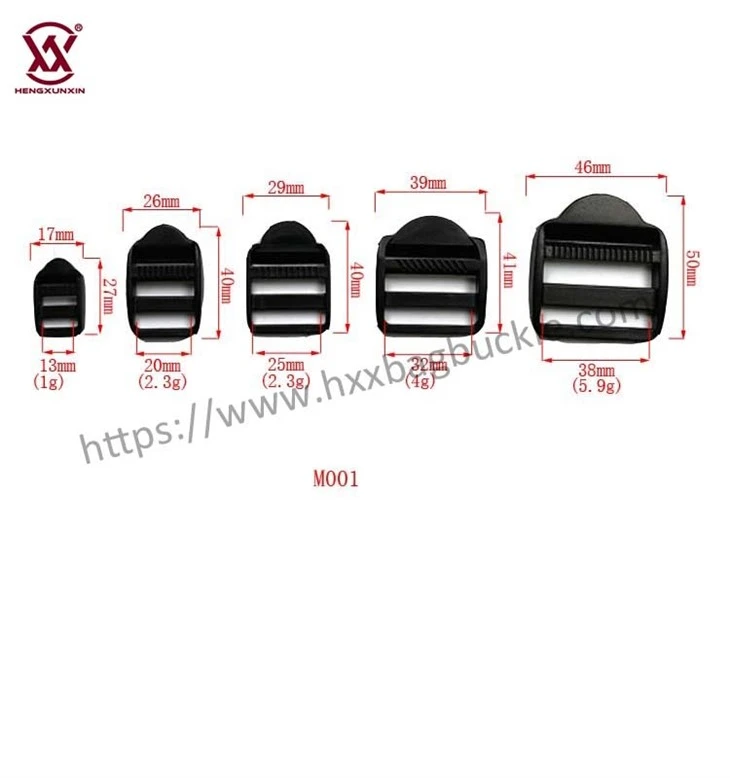
The compatibility between the plastic strap adjuster and the strap is crucial for proper functioning. The width and thickness of the strap should match the specifications of the adjuster. Using a strap that is too wide or too thick may prevent the adjuster from gripping the strap properly, while a strap that is too narrow or thin may slip out of the adjuster.
When selecting a strap for use with a plastic strap adjuster, refer to the product documentation for the recommended strap width and thickness. If you are unsure, you can always contact our sales team for advice on the best strap - adjuster combination for your specific application.
Training and Education
Providing training and education to end - users can also contribute to the proper functioning of plastic strap adjusters. Many users may not be aware of the correct installation, inspection, and maintenance procedures.
We offer training materials, such as installation guides and maintenance tips, to our customers. These materials can be accessed on our website or provided upon request. By educating users on how to use and care for plastic strap adjusters, we can help ensure that they function properly throughout their lifespan.
Environmental Considerations
The environment in which plastic strap adjusters are used can have a significant impact on their performance. Exposure to sunlight, moisture, chemicals, and other environmental factors can cause the plastic to degrade over time.
If the plastic strap adjusters are used outdoors, they may be exposed to UV rays, which can cause the plastic to become brittle and fade. In such cases, it is advisable to choose adjusters that are UV - resistant.
Moisture can also be a problem, especially if the adjusters are used in wet conditions. Some plastics may absorb water, which can lead to swelling and a loss of strength. To prevent this, consider using adjusters with a waterproof coating or storing them in a dry place when not in use.
Quality Control in Production
As a supplier, we implement strict quality control measures during the production process to ensure that all plastic strap adjusters meet high - quality standards. Our production facilities are equipped with advanced machinery and technology to produce adjusters with precise dimensions and consistent quality.
We conduct regular quality checks at every stage of production, from raw material inspection to the final product. This includes testing the strength, durability, and functionality of the adjusters. Only products that pass our rigorous quality control tests are released to the market.
Conclusion
Ensuring the proper functioning of plastic strap adjusters requires a combination of understanding the design and material, proper installation, regular inspection, maintenance, and consideration of environmental factors. By following these guidelines, users can enjoy the long - term benefits of reliable and efficient plastic strap adjusters.
If you are in the market for high - quality plastic strap adjusters, we invite you to contact us for a detailed discussion about your specific needs. Our team of experts is ready to assist you in selecting the right products and providing you with the support you need. Whether you are a small business looking for custom - made adjusters or a large corporation in need of bulk orders, we have the solutions to meet your requirements. Let's start a conversation about your plastic strap adjuster needs today.
References
- "Plastic Materials in Industrial Applications" - A comprehensive guide on the properties and uses of different plastics in industrial settings.
- "Strap Fastening Systems: Design and Function" - A technical resource on the design and functionality of various strap fastening systems, including plastic strap adjusters.
- Industry standards and guidelines related to plastic strap adjusters, which provide specifications for quality and performance.