



As a supplier of curved buckles, I understand the importance of proper storage to maintain the quality and functionality of these essential components. Curved buckles are widely used in various industries, including fashion, sports, and outdoor equipment, and their proper storage can significantly extend their lifespan and ensure they remain in optimal condition. In this blog post, I will share some valuable tips on how to store curved buckles properly.
Understanding the Material of Curved Buckles
Before discussing storage methods, it's crucial to understand the materials used in curved buckles. Curved buckles can be made from a variety of materials, such as plastic, metal, and alloy. Each material has its own characteristics and requires specific storage conditions to prevent damage.
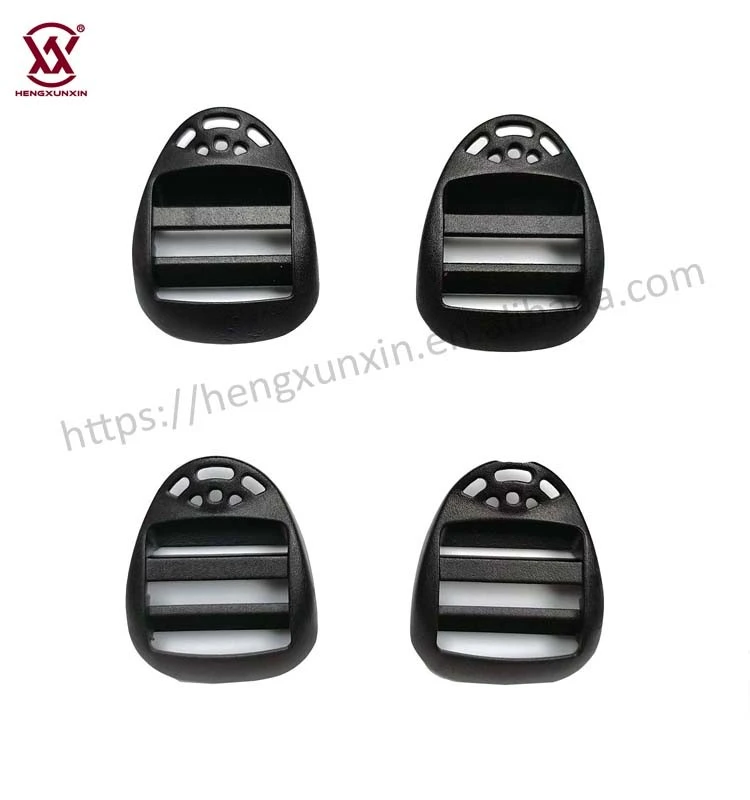
- Plastic Buckles: Plastic buckles are lightweight, affordable, and resistant to corrosion. However, they can be prone to cracking or warping if exposed to extreme temperatures or harsh chemicals. Examples of plastic buckles include Backpack Strap Adjuster, 1 Inch Plastic Ladder Buckles, and Plastic POM Ladder Buckles.
- Metal Buckles: Metal buckles are durable and provide a more substantial look and feel. They are commonly made from stainless steel, brass, or aluminum. Metal buckles can rust or corrode if exposed to moisture or certain chemicals.
- Alloy Buckles: Alloy buckles combine the properties of different metals, offering a balance between strength and weight. They are often used in high - performance applications. Like metal buckles, they need protection from corrosion.
Ideal Storage Conditions
The following are the general storage conditions that are suitable for most curved buckles:
Temperature and Humidity
- Temperature: The ideal temperature for storing curved buckles is between 10°C and 30°C (50°F and 86°F). Extreme temperatures can cause the material to expand or contract, leading to deformation. For example, plastic buckles may become brittle in cold temperatures and soft and malleable in high temperatures.
- Humidity: Keep the humidity level between 30% and 60%. High humidity can cause metal and alloy buckles to rust, while low humidity can make plastic buckles more prone to static electricity, which may attract dust.
Light Exposure
- Avoid direct sunlight and prolonged exposure to artificial light sources. UV rays can cause the color of plastic buckles to fade and weaken the structure of both plastic and metal buckles over time. Store the buckles in a dark or dimly lit area.
Cleanliness
- Ensure the storage area is clean and free from dust, dirt, and debris. Dust can scratch the surface of the buckles, and dirt may contain chemicals that can damage the material. Regularly clean the storage containers and the surrounding area.
Storage Containers
Choosing the right storage containers is essential for protecting curved buckles. Here are some options:

Plastic Containers
- Clear Plastic Boxes: These are a popular choice as they allow you to easily see the contents. They come in various sizes and can be stacked, saving space. Make sure the boxes have a tight - fitting lid to prevent dust and moisture from entering.
- Plastic Bags: For smaller quantities of buckles, resealable plastic bags can be used. Label the bags with the type, size, and quantity of the buckles for easy identification.
Metal Containers
- Metal containers can provide excellent protection against physical damage. However, they need to be lined with a non - abrasive material to prevent scratching the buckles. You can use felt or foam inserts.
Wooden Boxes
- Wooden boxes are a more aesthetically pleasing option. They can provide good protection, but they need to be treated to prevent moisture absorption and insect infestation.
Organizing the Storage
Proper organization of the storage area can make it easier to access the buckles and prevent damage during handling.
Sort by Type and Size
- Group the curved buckles by type (plastic, metal, alloy) and size. This makes it easier to find the specific buckle you need. You can use dividers in the storage containers to separate different types and sizes.
Labeling
- Clearly label each storage container or compartment with the type, size, and any other relevant information about the buckles. This reduces the time spent searching for the right buckle and minimizes the risk of misplacing or damaging them during the search.
Handling During Storage
When handling curved buckles for storage, follow these guidelines:
Cleaning
- Clean the buckles before storing them. Use a mild detergent and a soft cloth to remove any dirt, grease, or fingerprints. Rinse thoroughly and dry completely to prevent moisture - related damage.
Avoid Stacking Too Tightly
- When stacking the buckles, do not stack them too tightly as this can cause scratches or deformation, especially for plastic buckles. Leave some space between the layers.
Additional Tips for Specific Materials
Plastic Buckles
- Anti - Static Measures: As mentioned earlier, plastic buckles are prone to static electricity. You can use anti - static bags or add anti - static agents to the storage environment.
- Separation: If storing different colors of plastic buckles, separate them to prevent color transfer.
Metal and Alloy Buckles
- Coating: Apply a thin layer of protective coating, such as wax or oil, to metal and alloy buckles to prevent rust. Make sure to clean the buckles thoroughly before applying the coating.
- Isolation: If storing metal buckles with different types of metals, isolate them to prevent galvanic corrosion.
In conclusion, proper storage of curved buckles is crucial for maintaining their quality and functionality. By following the tips mentioned above, you can ensure that your curved buckles remain in excellent condition for a long time. Whether you are a manufacturer, distributor, or end - user, these storage methods will help you get the most out of your curved buckles.
If you are interested in sourcing high - quality curved buckles or have any questions about our products, please feel free to contact us for procurement and negotiation. We are committed to providing the best products and services to meet your needs.
References
- "Materials Science for Engineers" by Donald Askeland
- "Handbook of Plastic Materials and Technology" by Irving I. Rubin